Customizing Your Tirzepatide Dosing with a Telehealth Provider
Customizing Your Tirzepatide Dosing with a Telehealth Provider
Why Personalized Tirzepatide Dosing Matters
Tirzepatide works by activating both GIP and GLP-1 receptors, which together slow gastric emptying, reduce appetite, and improve insulin sensitivity. Because it engages two distinct hormonal pathways, its effects vary considerably from person to person. Factors such as baseline body weight, metabolic rate, degree of insulin resistance, prior GLP-1 exposure, and individual gastrointestinal sensitivity all influence how your body responds to each dose increment. A one-size-fits-all escalation schedule often leads to unnecessary side effects or inadequate results. Telehealth platforms have made it practical to build a dosing plan around your specific physiology rather than following a rigid manufacturer template.
How Telehealth Providers Assess Your Starting Point
Before prescribing tirzepatide, a qualified telehealth clinician will review your complete health picture. This typically includes body mass index, waist circumference, HbA1c if you have diabetes or prediabetes, fasting glucose, lipid panel, kidney function, and a detailed medication history. Thyroid function may also be assessed because tirzepatide carries a boxed warning for individuals with a personal or family history of medullary thyroid carcinoma or multiple endocrine neoplasia syndrome type 2. Gut motility conditions, gastroparesis in particular, are another contraindication that a thorough intake form and provider review will surface before treatment begins.
Most clinicians start patients at 2.5 mg subcutaneously once weekly for the first four weeks. This lowest dose is not a therapeutic target; it is an on-ramp designed to let your digestive system acclimate before the dose climbs. Your telehealth provider will ask you to track nausea severity, energy levels, appetite changes, and any injection-site reactions during this period so the next decision point is based on real data rather than assumption.
Structuring the Dose Escalation Schedule
The standard escalation moves upward in 2.5 mg steps every four weeks, reaching a maximum approved dose of 15 mg. However, telehealth providers routinely modify this ladder based on patient response. If nausea, vomiting, or diarrhea are significant at 5 mg, many clinicians will hold that dose for an additional four to eight weeks rather than advancing. Some patients achieve clinically meaningful weight loss well before reaching 10 mg or 15 mg and can maintain that response without further escalation. Flexible tirzepatide dosing like this reduces cumulative side-effect burden and supports long-term adherence.
Holding and Reducing Doses
Dose reductions are an underused but effective tool. If a patient advances to 10 mg and experiences persistent nausea that impairs daily function, stepping back to 7.5 mg for another month and then re-attempting the increase is a legitimate clinical strategy. Telehealth platforms facilitate this kind of agile management because asynchronous messaging and video check-ins allow the provider to intervene quickly rather than waiting for a scheduled office visit weeks away.
Plateau Management
Weight-loss plateaus on tirzepatide are common around weeks 12 to 20. A telehealth provider can distinguish between a true pharmacological plateau, where advancing the dose may help, and a behavioral plateau driven by dietary drift or reduced physical activity. Distinguishing the two requires reviewing patient-reported food logs, activity data, and trend weight rather than a single weigh-in, and this is exactly the kind of ongoing dialogue telehealth supports.
Monitoring Between Appointments
Effective customization depends on consistent data collection between visits. Most telehealth weight-management programs ask patients to weigh themselves weekly under standardized conditions, log meals at least on weekdays, and note any side effects in a symptom diary or app. Some platforms integrate with continuous glucose monitors for patients managing type 2 diabetes alongside obesity, allowing the provider to see how tirzepatide dosing changes are affecting glycemic variability in near real time. Blood pressure monitoring at home is also valuable because significant weight loss can lower blood pressure enough to warrant adjusting antihypertensive medications.
Laboratory follow-up is typically scheduled at three months and six months after initiation. Repeat HbA1c, kidney function, and a basic metabolic panel help confirm that the medication is delivering metabolic benefit and not creating unintended electrolyte shifts from reduced caloric intake or gastrointestinal losses.
Coordinating Tirzepatide with Other Medications
Patients often arrive at telehealth consultations already taking metformin, SGLT-2 inhibitors, sulfonylureas, or insulin. Tirzepatide's glucose-lowering effect is substantial enough that concurrent sulfonylurea or insulin doses frequently need to be reduced to prevent hypoglycemia once the new medication takes hold. A telehealth provider managing the full medication list can make these adjustments proactively rather than reactively. Similarly, patients on anticoagulants or medications with narrow therapeutic windows should flag these to their provider because delayed gastric emptying can alter absorption kinetics.
What to Expect from a Telehealth Tirzepatide Program Long-Term
Telehealth-based care is not a shortcut; it is a delivery model. The clinical rigor required for safe and effective tirzepatide dosing is the same whether you are sitting in a physician's office or joining a video call from home. What telehealth adds is frequency of touchpoints, convenience that supports adherence, and access for patients in areas without bariatric or endocrinology specialists nearby. Expect your provider to revisit your dose at every check-in, reassess your goals at least every six months, and discuss a long-term maintenance plan before you reach your target weight. Because weight regain is common after stopping GLP-1 or GIP-based therapies, the conversation about duration of treatment should start early rather than at the moment you consider discontinuing.
- Track weekly weight under consistent conditions to give your provider reliable trend data
- Report gastrointestinal side effects promptly so dose holds can be initiated before they become severe
- Share your full medication list at intake and update it whenever anything changes
- Complete scheduled lab work even when you feel well, as metabolic shifts can be silent
- Ask your provider explicitly about a maintenance plan before you approach your goal weight
Recommended products
- #1
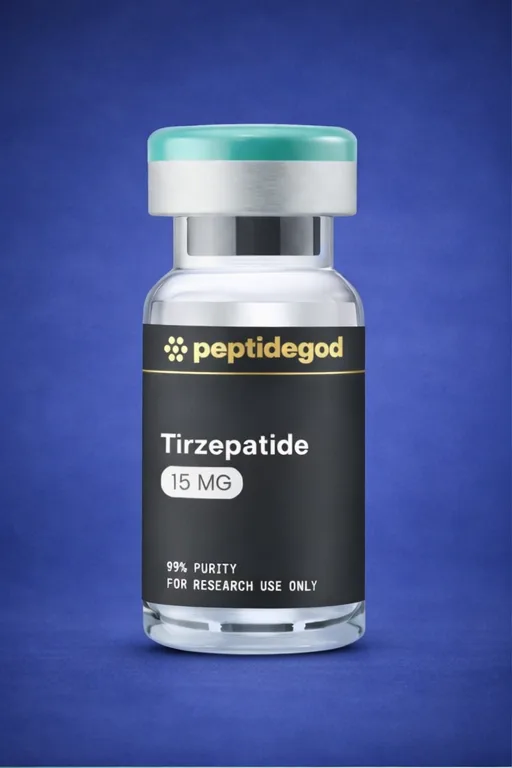 Tirzepatidedosing
Tirzepatide 5mg
Best Seller(50)For those who prefer a more gradual approach, Tirzepatide 5mg vials are perfect for microdosing protocols. By splitting the 5mg dose throughout the week, you can maintain a more stable level of the peptide in your system, which can help further reduce potential side effects. This
- HPLC ≥99%
- COA included
- 3rd-party tested
$50.00Order - #2
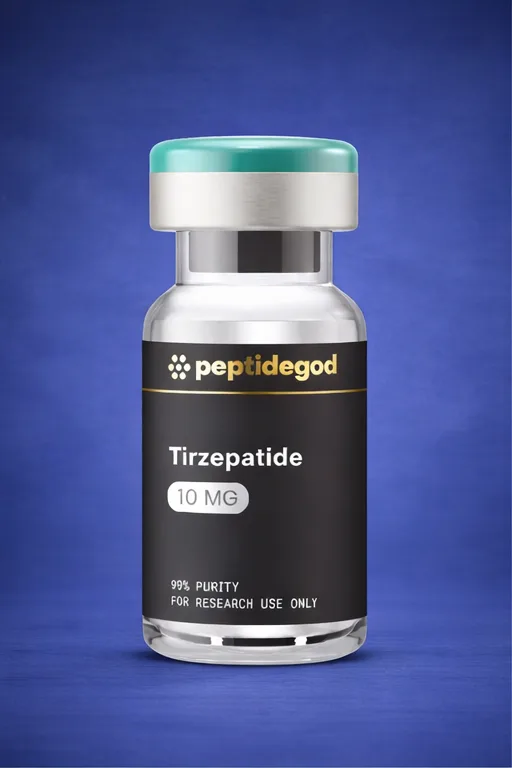 Tirzepatidedosing
Tirzepatide 10mg
New(87)To ensure you get the absolute best results from your Tirzepatide 10mg, proper reconstitution and storage are vital. Our product arrives as a stable, vacuum-sealed lyophilized powder. To activate, simply mix with the appropriate amount of bacteriostatic water, creating a crystal-
- HPLC ≥99%
- COA included
- 3rd-party tested
$85.00Order - #3Tirzepatidedosing
Tirzepatide 15mg
Most Popular(124)In the pursuit of extreme human optimization, Tirzepatide 15mg is the apex tool for driving lipolysis (fat breakdown). Biohackers utilize this maximum dose to achieve single-digit body fat percentages while maintaining metabolic flexibility. By keeping insulin levels low and gluc
- HPLC ≥99%
- COA included
- 3rd-party tested
$125.00Order - #4
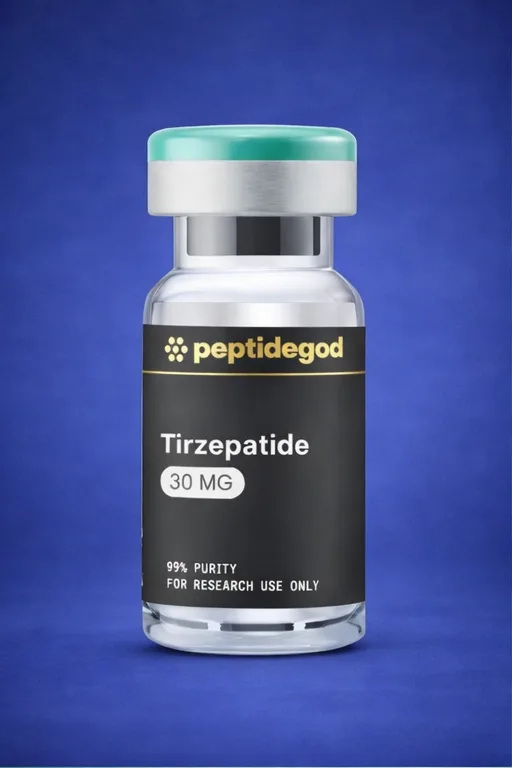 Tirzepatidedosing
Tirzepatide 30mg
Best Value(161)For individuals battling severe insulin resistance, a consistent and powerful intervention is necessary. Our Tirzepatide 30mg vial provides a lasting supply of the most effective insulin-sensitizing peptide available today. By providing a glucose-dependent insulinotropic effect,
- HPLC ≥99%
- COA included
- 3rd-party tested
$230.00Order - #5
 Tirzepatidedosing
Tirzepatide oral
Top Pick(198)The physical sensation of fullness is essential for adhering to a diet. Oral Tirzepatide delivers exceptional control over gastric emptying, significantly slowing the rate at which food leaves the stomach. Because the medication is taken daily, this physical restriction is consis
- HPLC ≥99%
- COA included
- 3rd-party tested
$70.00Order - #6
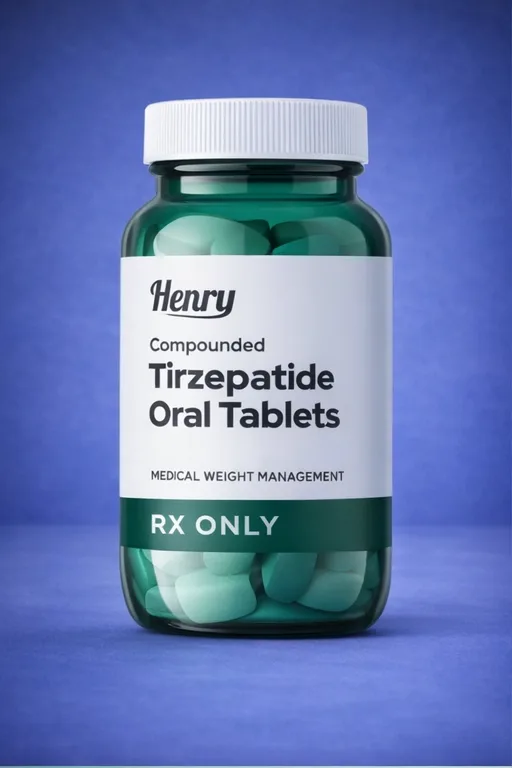 Tirzepatidedosing
Tirzepatide tablets
Trending(235)The physical sensation of fullness is essential for adhering to a diet. Tirzepatide tablets deliver exceptional control over gastric emptying, significantly slowing the rate at which food leaves the stomach. Because the medication is taken daily, this physical restriction is cons
- HPLC ≥99%
- COA included
- 3rd-party tested
$130.00Order
See top-rated vendors
Compare prices, purity and shipping at a glance.
Reviewed by the Tirzepatidedosing Research Team · Last updated March 2026
References & Scientific Sources
- Coskun T, et al. Tirzepatide, a dual GIP/GLP-1 receptor agonist: mechanism. Mol Metab. 2018.
- Jastreboff AM, et al. Tirzepatide once weekly for obesity (SURMOUNT-1). N Engl J Med. 2022.
- Frias JP, et al. Tirzepatide vs semaglutide in type 2 diabetes (SURPASS-2). N Engl J Med. 2021.
Sources are provided for educational reference. This content is informational and not a substitute for professional medical advice.