Tirzepatide Dosing Explained: From 2.5mg to 15mg
Tirzepatide Dosing Explained: From 2.5mg to 15mg
What Is Tirzepatide and Why Does the Dose Escalation Matter
Tirzepatide is a once-weekly injectable medication that activates two incretin hormone receptors simultaneously: glucose-dependent insulinotropic polypeptide (GIP) and glucagon-like peptide-1 (GLP-1). This dual mechanism distinguishes it from older GLP-1 receptor agonists and contributes to greater average weight loss in clinical trials. Because the drug is more potent than single-receptor agonists, the starting dose is intentionally low, and patients move through a structured escalation ladder over several months. Skipping steps or escalating too quickly dramatically increases the likelihood of nausea, vomiting, and early discontinuation.
Tirzepatide dosing is not one-size-fits-all. The schedule your prescriber recommends depends on your starting weight, tolerance, kidney function, and whether you are using the medication for type 2 diabetes management or chronic weight management under the brand names Mounjaro and Zepbound, respectively. Both formulations use the same active ingredient and the same dose escalation ladder.
The Standard Escalation Schedule
The FDA-approved escalation protocol begins at 2.5 mg once weekly for four weeks. This initiation dose has no meaningful blood-sugar or appetite effect on its own; its sole purpose is gastrointestinal tolerability. After four weeks, the dose increases to 5 mg weekly, which is the first therapeutically active level for most patients. Clinical data from the SURMOUNT and SURPASS trial programs show that meaningful weight reduction begins to emerge at this dose.
From 5 mg, the prescriber may increase by 2.5 mg increments every four weeks as tolerated, moving through 7.5 mg, 10 mg, and 12.5 mg before reaching the maximum approved dose of 15 mg weekly. The full escalation from start to maximum therefore takes a minimum of twenty weeks. Many patients reach their maintenance dose before 15 mg; not every patient needs or tolerates the highest level to achieve clinically significant results.
- 2.5 mg weekly — weeks 1 through 4, tolerability phase
- 5 mg weekly — weeks 5 through 8, first active dose
- 7.5 mg weekly — weeks 9 through 12
- 10 mg weekly — weeks 13 through 16
- 12.5 mg weekly — weeks 17 through 20
- 15 mg weekly — week 21 onward, maximum maintenance dose
Maintenance Dosing and Individualized Targets
Not every patient should push toward 15 mg. The guiding principle of tirzepatide dosing is finding the lowest effective dose that produces acceptable weight loss or glycemic control with manageable side effects. Some patients achieve 10 to 15 percent body weight reduction at 7.5 mg or 10 mg and experience minimal nausea at those levels. Continuing to escalate in search of faster results often backfires: gastrointestinal side effects become severe enough to force dose reductions or treatment discontinuation.
If a patient experiences significant nausea or vomiting at any step in the ladder, prescribers commonly hold the dose at the current level for an additional four weeks rather than advancing. In some cases, a temporary reduction back to the previous dose is appropriate. The escalation ladder is a guideline, not a rigid timeline.
How Dose Level Relates to Weight Loss Outcomes
The SURMOUNT-1 trial, which enrolled adults with obesity but without diabetes, reported average weight reductions of approximately 15 percent at 5 mg, 19.5 percent at 10 mg, and 20.9 percent at 15 mg over 72 weeks. The dose-response relationship is real but exhibits diminishing returns as the dose climbs. This means the jump from 2.5 mg to 5 mg produces a larger marginal effect than the jump from 12.5 mg to 15 mg. Patients who plateau at a mid-range dose may benefit more from dietary and behavioral interventions than from further dose escalation.
For type 2 diabetes, the glycemic response follows a similar curve. The 15 mg dose produces the greatest HbA1c reductions on average, but patients who achieve target HbA1c at 5 mg or 7.5 mg do not need to escalate further simply because a higher dose exists.
Practical Considerations for Patients and Prescribers
Tirzepatide is supplied in single-dose autoinjector pens. Each pen contains one dose; patients inject once per week on the same day each week into the abdomen, thigh, or upper arm. Injection site rotation reduces local reactions. If a weekly dose is missed and the next scheduled dose is more than four days away, the missed dose can be administered as soon as possible. If the next dose is within four days, skip the missed dose and resume the normal schedule.
Refrigeration is required for storage, though pens may be kept at room temperature for up to twenty-one days. Patients transitioning from another GLP-1 receptor agonist to tirzepatide should discuss cross-taper protocols with their prescriber, as overlap can intensify gastrointestinal side effects. Kidney and liver impairment do not currently require dose adjustments per prescribing information, but these conditions warrant closer monitoring.
Anyone considering this therapy should discuss the full tirzepatide dosing schedule with a licensed prescriber before starting. The medication is prescription-only, and the escalation schedule should be supervised by a qualified clinician who can adjust the pace based on individual response and tolerance.
Recommended products
- #1
 Tirzepatidedosing
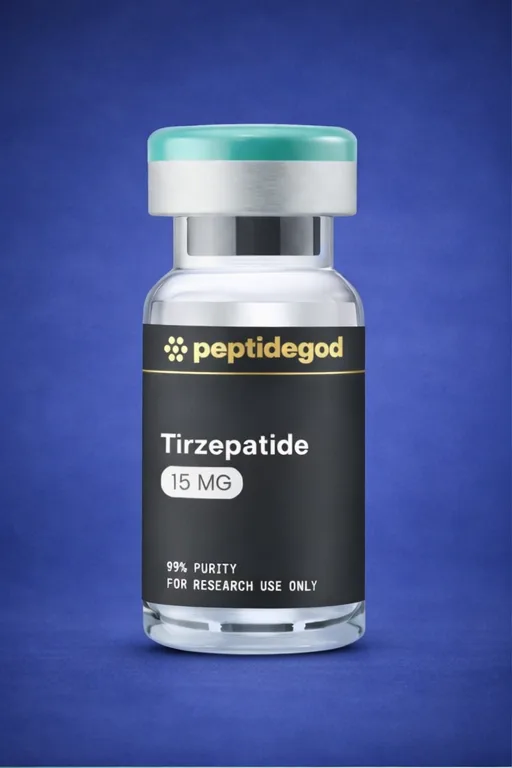
Tirzepatide 5mg
Best Seller(50)For those who prefer a more gradual approach, Tirzepatide 5mg vials are perfect for microdosing protocols. By splitting the 5mg dose throughout the week, you can maintain a more stable level of the peptide in your system, which can help further reduce potential side effects. This
- HPLC ≥99%
- COA included
- 3rd-party tested
$50.00Order - #2
 Tirzepatidedosing
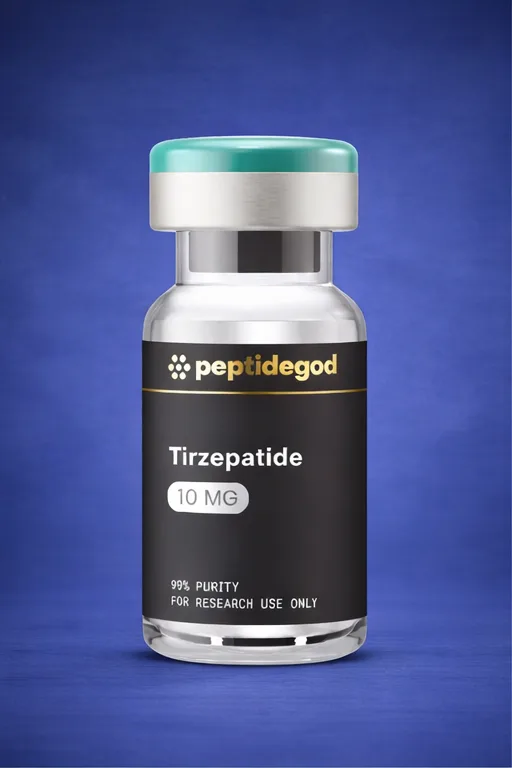
Tirzepatide 10mg
New(87)To ensure you get the absolute best results from your Tirzepatide 10mg, proper reconstitution and storage are vital. Our product arrives as a stable, vacuum-sealed lyophilized powder. To activate, simply mix with the appropriate amount of bacteriostatic water, creating a crystal-
- HPLC ≥99%
- COA included
- 3rd-party tested
$85.00Order - #3Tirzepatidedosing
Tirzepatide 15mg
Most Popular(124)In the pursuit of extreme human optimization, Tirzepatide 15mg is the apex tool for driving lipolysis (fat breakdown). Biohackers utilize this maximum dose to achieve single-digit body fat percentages while maintaining metabolic flexibility. By keeping insulin levels low and gluc
- HPLC ≥99%
- COA included
- 3rd-party tested
$125.00Order - #4
 Tirzepatidedosing
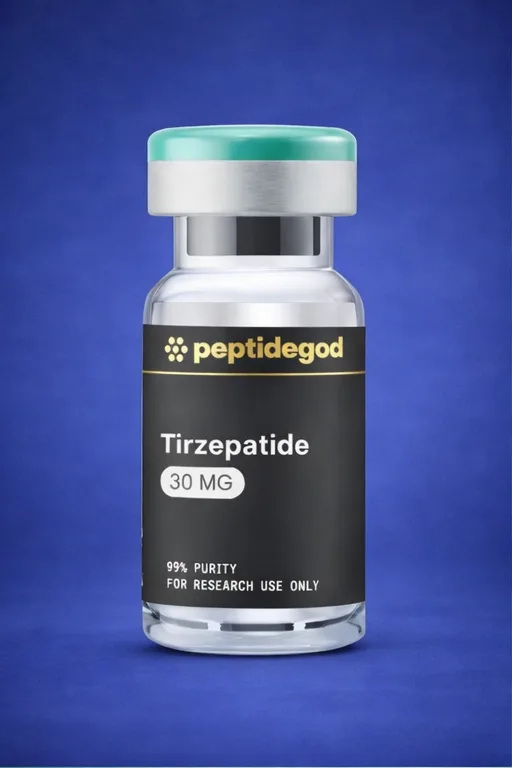
Tirzepatide 30mg
Best Value(161)For individuals battling severe insulin resistance, a consistent and powerful intervention is necessary. Our Tirzepatide 30mg vial provides a lasting supply of the most effective insulin-sensitizing peptide available today. By providing a glucose-dependent insulinotropic effect,
- HPLC ≥99%
- COA included
- 3rd-party tested
$230.00Order - #5
 Tirzepatidedosing
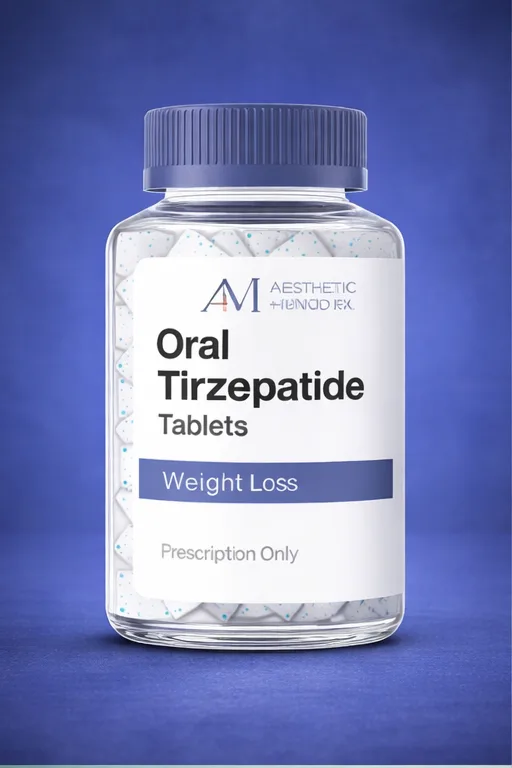
Tirzepatide oral
Top Pick(198)The physical sensation of fullness is essential for adhering to a diet. Oral Tirzepatide delivers exceptional control over gastric emptying, significantly slowing the rate at which food leaves the stomach. Because the medication is taken daily, this physical restriction is consis
- HPLC ≥99%
- COA included
- 3rd-party tested
$70.00Order - #6
 Tirzepatidedosing
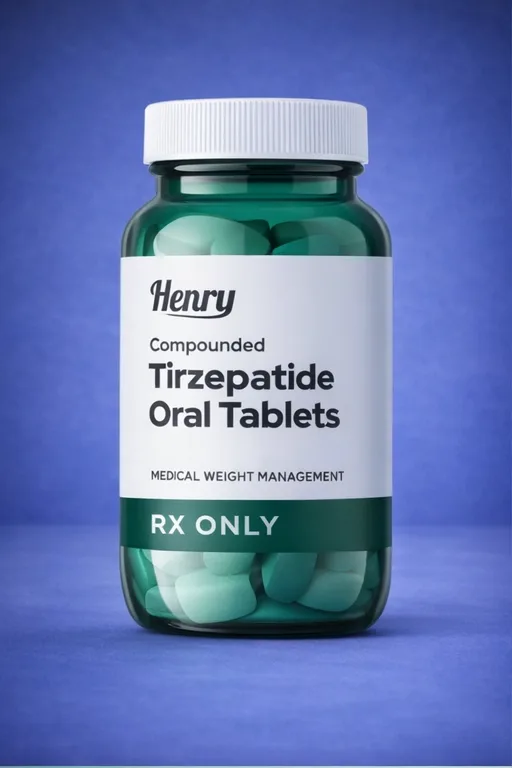
Tirzepatide tablets
Trending(235)The physical sensation of fullness is essential for adhering to a diet. Tirzepatide tablets deliver exceptional control over gastric emptying, significantly slowing the rate at which food leaves the stomach. Because the medication is taken daily, this physical restriction is cons
- HPLC ≥99%
- COA included
- 3rd-party tested
$130.00Order
See top-rated vendors
Compare prices, purity and shipping at a glance.
Reviewed by the Tirzepatidedosing Research Team · Last updated March 2026
References & Scientific Sources
- Coskun T, et al. Tirzepatide, a dual GIP/GLP-1 receptor agonist: mechanism. Mol Metab. 2018.
- Jastreboff AM, et al. Tirzepatide once weekly for obesity (SURMOUNT-1). N Engl J Med. 2022.
- Frias JP, et al. Tirzepatide vs semaglutide in type 2 diabetes (SURPASS-2). N Engl J Med. 2021.
Sources are provided for educational reference. This content is informational and not a substitute for professional medical advice.