Transitioning from Semaglutide: Tirzepatide Dosing Conversion Guide
Transitioning from Semaglutide: Tirzepatide Dosing Conversion Guide
Why Patients Switch from Semaglutide to Tirzepatide
Semaglutide has helped millions of people achieve meaningful weight loss and improved glycemic control, but it is not the final word in GLP-1-based therapy. Tirzepatide, a dual glucose-dependent insulinotropic polypeptide and GLP-1 receptor agonist, activates two distinct incretin pathways simultaneously. Clinical trial data from the SURMOUNT and SURPASS programs consistently show tirzepatide producing greater reductions in body weight and HbA1c compared to semaglutide at maximum tolerated doses. Patients who have plateaued on semaglutide, experienced insufficient appetite suppression, or who have not reached their glycemic targets are candidates their clinician may consider for a transition. Understanding tirzepatide dosing before starting that conversation helps patients engage more meaningfully with their prescriber.
How the Two Drugs Compare in Mechanism and Potency
Semaglutide acts exclusively at the GLP-1 receptor, slowing gastric emptying, reducing appetite, and promoting insulin secretion in a glucose-dependent manner. Tirzepatide adds GIP receptor agonism, which amplifies insulin secretion, improves insulin sensitivity in adipose tissue, and appears to drive additional energy expenditure beyond what GLP-1 agonism alone achieves. Because of this dual mechanism, tirzepatide milligram doses are not pharmacologically equivalent to semaglutide milligram doses. The two drugs cannot be converted with a simple multiplier; instead, clinicians use a general equivalence framework based on clinical outcomes observed in head-to-head trials such as SURPASS-2.
Approximate Dose Equivalence: A Clinical Framework
No regulatory body has published an official semaglutide-to-tirzepatide conversion table, and individual patient responses vary considerably. That said, prescribers commonly use the following approximate equivalences as a starting framework when transitioning patients. These ranges are drawn from published pharmacodynamic comparisons and clinical practice guidelines rather than from any single authoritative source, and they should always be confirmed with a qualified clinician.
- Semaglutide 0.5 mg weekly: approximate starting point on tirzepatide is 5 mg weekly
- Semaglutide 1 mg weekly: approximate starting point on tirzepatide is 5 to 7.5 mg weekly
- Semaglutide 1.7 mg weekly (Wegovy mid-dose): approximate starting point on tirzepatide is 7.5 mg weekly
- Semaglutide 2 mg or 2.4 mg weekly (maintenance doses): approximate starting point on tirzepatide is 7.5 to 10 mg weekly
Many clinicians prefer to start one tirzepatide dosing step below the calculated equivalent, particularly for patients who experienced significant nausea or gastrointestinal side effects on semaglutide. This conservative approach reduces the risk of additive GI burden during the transition period, when the body is still clearing semaglutide while adapting to a new receptor profile.
Timing the Transition: Washout and Overlap Considerations
Semaglutide has an elimination half-life of approximately seven days, meaning it takes four to five weeks to clear substantially from the body. Most prescribers do not recommend a full washout period before starting tirzepatide, because doing so would expose the patient to several weeks without any incretin support, potentially causing appetite rebound and glycemic deterioration. The more common approach is to administer the first tirzepatide dose in place of the next scheduled semaglutide injection, treating the transition as a direct substitution on the same weekly injection day. Patients should be monitored more closely during the first four to six weeks, as residual semaglutide activity plus new tirzepatide dosing can occasionally produce more pronounced GI effects than either drug alone.
Titration After the Switch
Tirzepatide's approved titration schedule begins at 2.5 mg weekly for four weeks, then advances in 2.5 mg increments every four weeks up to a maximum of 15 mg weekly. Patients transitioning from semaglutide who start at a higher dose — say 5 or 7.5 mg — are effectively skipping the earliest titration steps. This is generally well tolerated given that semaglutide has already conditioned GI receptors to incretin exposure, but it is not appropriate for every patient. Those with a history of severe nausea, vomiting, or gastroparesis on semaglutide may benefit from restarting at 2.5 mg regardless of their prior semaglutide dose, accepting a longer titration period in exchange for better tolerability. Discuss realistic tirzepatide dosing targets with your prescriber before switching, including how long titration is expected to take and what maintenance dose is the goal.
What to Monitor After Transitioning
Weight loss trajectory often accelerates noticeably after switching, particularly for patients who had plateaued on high-dose semaglutide. Blood glucose levels should be monitored more frequently in patients with type 2 diabetes during the first eight weeks, as tirzepatide's stronger insulinotropic effect can require adjustments to concurrent diabetes medications such as sulfonylureas or insulin. Kidney function markers and thyroid status should continue to be assessed at standard intervals. Patients who experience a meaningful increase in nausea, vomiting, or abdominal pain that lasts more than one to two weeks after the switch should contact their provider rather than waiting for a routine appointment. The transition from semaglutide to tirzepatide is generally straightforward when managed with appropriate clinical oversight, but self-adjusting doses outside of a prescriber's guidance is never appropriate for prescription medications in this class.
Recommended products
- #1
 Tirzepatidedosing
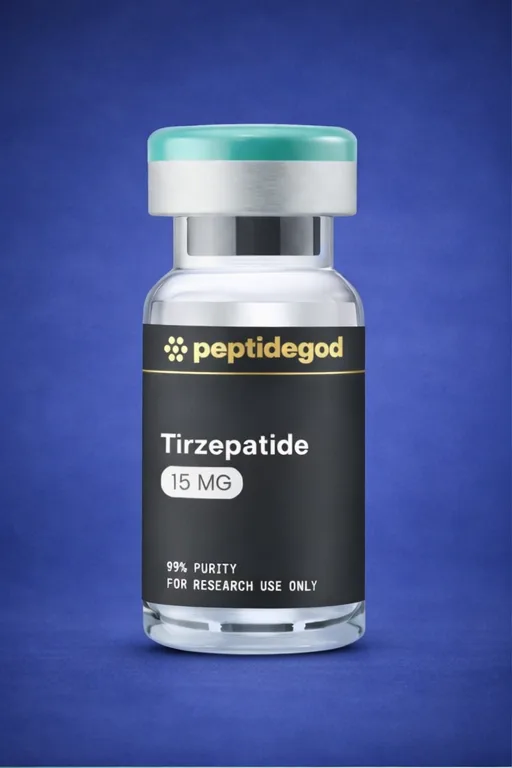
Tirzepatide 5mg
Best Seller(50)For those who prefer a more gradual approach, Tirzepatide 5mg vials are perfect for microdosing protocols. By splitting the 5mg dose throughout the week, you can maintain a more stable level of the peptide in your system, which can help further reduce potential side effects. This
- HPLC ≥99%
- COA included
- 3rd-party tested
$50.00Order - #2
 Tirzepatidedosing
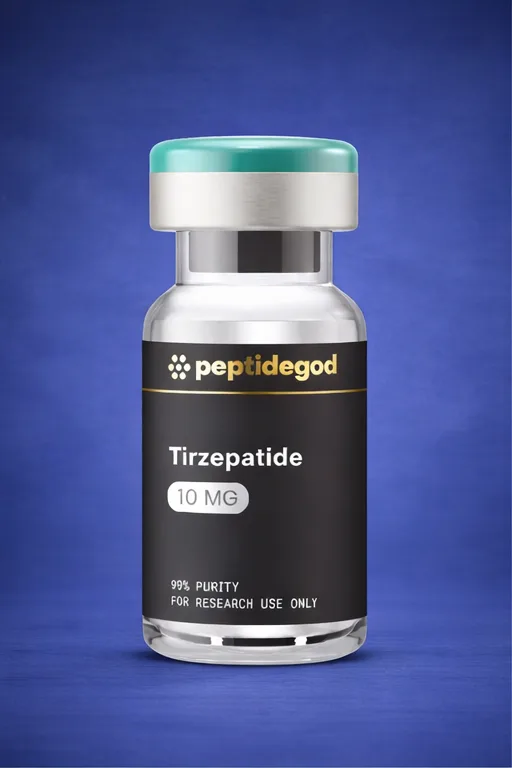
Tirzepatide 10mg
New(87)To ensure you get the absolute best results from your Tirzepatide 10mg, proper reconstitution and storage are vital. Our product arrives as a stable, vacuum-sealed lyophilized powder. To activate, simply mix with the appropriate amount of bacteriostatic water, creating a crystal-
- HPLC ≥99%
- COA included
- 3rd-party tested
$85.00Order - #3Tirzepatidedosing
Tirzepatide 15mg
Most Popular(124)In the pursuit of extreme human optimization, Tirzepatide 15mg is the apex tool for driving lipolysis (fat breakdown). Biohackers utilize this maximum dose to achieve single-digit body fat percentages while maintaining metabolic flexibility. By keeping insulin levels low and gluc
- HPLC ≥99%
- COA included
- 3rd-party tested
$125.00Order - #4
 Tirzepatidedosing
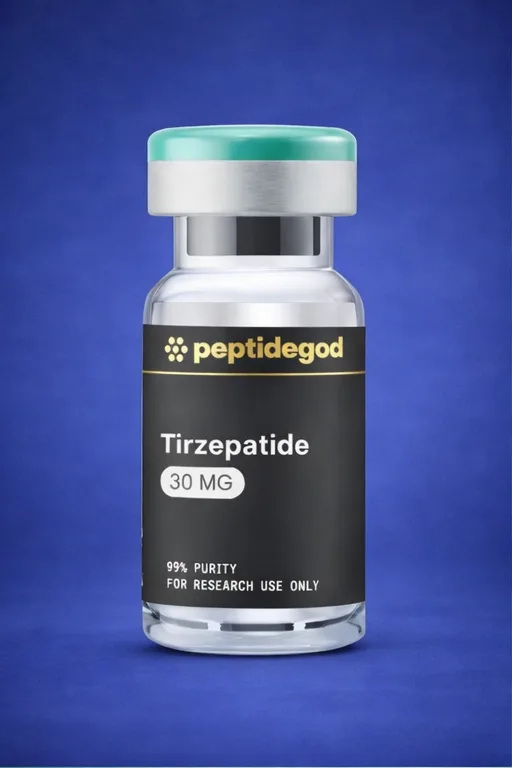
Tirzepatide 30mg
Best Value(161)For individuals battling severe insulin resistance, a consistent and powerful intervention is necessary. Our Tirzepatide 30mg vial provides a lasting supply of the most effective insulin-sensitizing peptide available today. By providing a glucose-dependent insulinotropic effect,
- HPLC ≥99%
- COA included
- 3rd-party tested
$230.00Order - #5
 Tirzepatidedosing
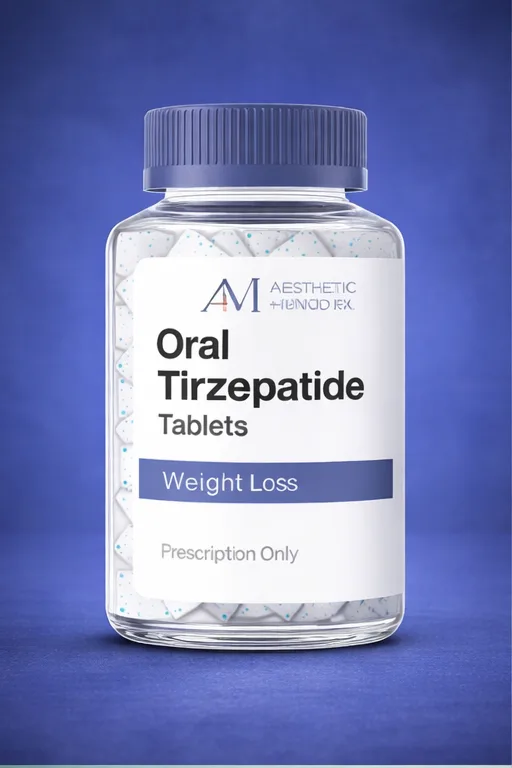
Tirzepatide oral
Top Pick(198)The physical sensation of fullness is essential for adhering to a diet. Oral Tirzepatide delivers exceptional control over gastric emptying, significantly slowing the rate at which food leaves the stomach. Because the medication is taken daily, this physical restriction is consis
- HPLC ≥99%
- COA included
- 3rd-party tested
$70.00Order - #6
 Tirzepatidedosing
Tirzepatide tablets
Trending(235)The physical sensation of fullness is essential for adhering to a diet. Tirzepatide tablets deliver exceptional control over gastric emptying, significantly slowing the rate at which food leaves the stomach. Because the medication is taken daily, this physical restriction is cons
- HPLC ≥99%
- COA included
- 3rd-party tested
$130.00Order
See top-rated vendors
Compare prices, purity and shipping at a glance.
Reviewed by the Tirzepatidedosing Research Team · Last updated March 2026
References & Scientific Sources
- Coskun T, et al. Tirzepatide, a dual GIP/GLP-1 receptor agonist: mechanism. Mol Metab. 2018.
- Jastreboff AM, et al. Tirzepatide once weekly for obesity (SURMOUNT-1). N Engl J Med. 2022.
- Frias JP, et al. Tirzepatide vs semaglutide in type 2 diabetes (SURPASS-2). N Engl J Med. 2021.
Sources are provided for educational reference. This content is informational and not a substitute for professional medical advice.